

Artificial intelligence (AI) is rapidly evolving, and it’s hard to say what the future holds for this technology. However, there are some trends that we can already see emerging, and these trends give us a glimpse into what the future of AI might look like.
One of the most important trends in AI is the increasing availability of data. As more and more data is collected, AI algorithms are able to learn and improve at an unprecedented rate. This means that AI systems are becoming more and more capable of performing complex tasks that were once thought to be the exclusive domain of humans.
Another important trend is the development of new AI hardware. As AI algorithms become more complex, they require more powerful hardware to run. This has led to the development of new AI chips and accelerators that are specifically designed to power AI applications.
These trends are leading to a number of exciting possibilities for AI in the coming years. For example, AI could be used to develop new medical treatments, create more efficient transportation systems, and even develop new forms of art and entertainment.
However, there are also some potential challenges that need to be addressed. For example, AI systems could be used to create autonomous weapons that could pose a threat to humanity. Additionally, AI systems could be used to collect and analyze personal data in ways that could violate people’s privacy.
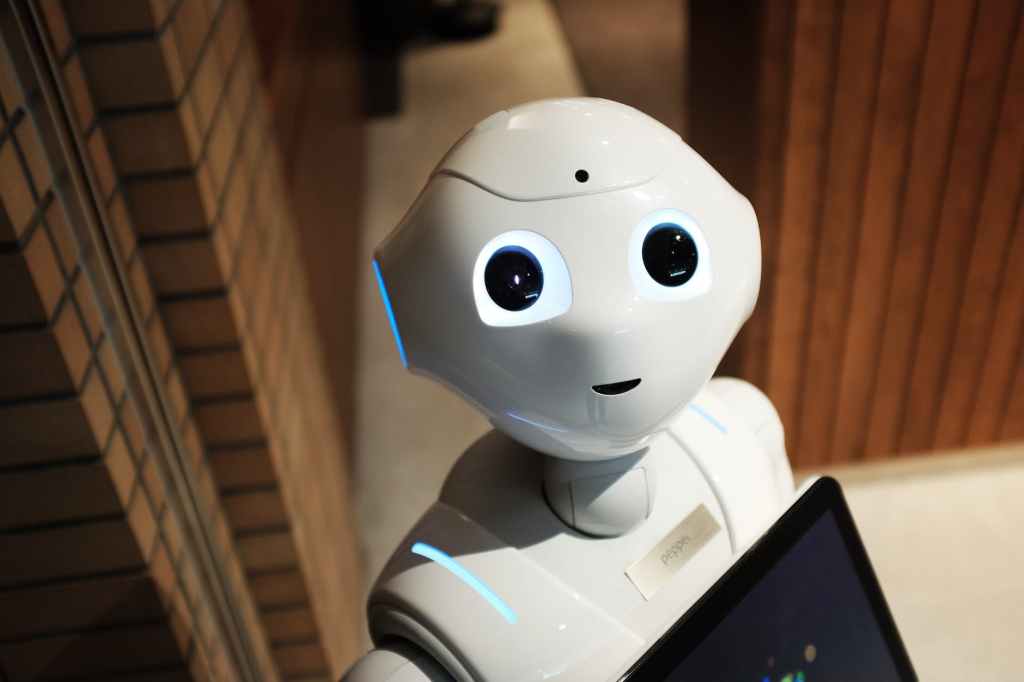
It’s important to be aware of both the potential benefits and challenges of AI as we move into the future. With careful planning and responsible development, AI could be a powerful force for good in the world.
~ Here are some specific examples of how AI is being used today and how it could be used in the future:
~Healthcare: AI is being used to develop new medical treatments, diagnose diseases, and provide personalized care. For example, AI-powered systems can analyze medical images to identify cancer cells with greater accuracy than human doctors.
~Transportation: AI is being used to develop self-driving cars, optimize traffic flow, and improve air traffic control. For example, AI-powered systems can use real-time data to identify and avoid accidents, and they can also predict traffic patterns to help drivers find the fastest route.
~Retail: AI is being used to personalize shopping experiences, recommend products, and optimize inventory management. For example, AI-powered systems can track customer behavior to identify products that they are likely to be interested in, and they can also use data from social media to predict which products are likely to be popular.
* **Customer service:** AI is being used to automate customer service tasks, such as answering FAQs and resolving problems. For example, AI-powered chatbots can provide 24/7 customer support, and they can also learn from past interactions to improve their responses.

These are just a few examples of how AI is being used today and how it could be used in the future. As AI continues to evolve, we can expect to see even more innovative and groundbreaking applications of this technology.
The future of AI is full of promise, but it’s also important to be aware of the potential challenges. By working together, we can ensure that AI is used for good and that it benefits all of humanity.
 Innovexa
Leave a comment